
If you’ve searched “who do dental implants near me” you’re likely wondering whether implants are the right fix for missing or failing teeth. Dental implants can replace single teeth, multiple teeth, or even a full arch with long-lasting, natural-looking results. This post explains who makes a good candidate, how a dentist checks your mouth and health, what the procedure involves, risks and alternatives, and how to take the next step.
Who is a good candidate for dental implants?
Missing one or more teeth
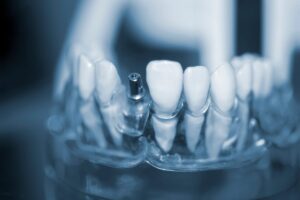
If you’ve lost a tooth and want a permanent option instead of a removable denture, an implant plus a crown can restore chewing and appearance. Implants don’t rely on neighboring teeth like traditional bridges do.
Failing or painful teeth
When a tooth can’t be saved with root canal or crown work, removing it and placing an implant often protects nearby teeth and prevents shifting. Implants replace the root and the visible tooth.
Bone and gum health
Successful implants need enough jawbone and healthy gums. If bone has shrunk after long-term tooth loss, your dentist may recommend bone grafting or sinus lift to build support before placing implants.
Overall health and habits
Good candidates have controlled chronic conditions (like well-managed diabetes), practice daily oral hygiene, and avoid heavy smoking. Certain medical conditions or medications may require special planning or change the timeline.
How a dentist evaluates if implants are right for you
Medical and dental history review
Expect questions about your health, medications, past surgeries, and oral care. This helps the team assess healing ability and infection risk.
3D imaging and digital scans
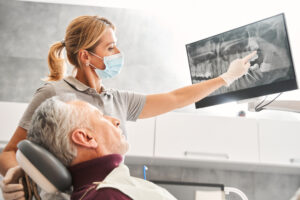
CBCT (3D X-rays) and intraoral scans check bone volume, nerve位置, and tooth alignment. These images guide safe, precise implant placement.
Treatment planning and options
Options range from single implant crowns to implant-supported bridges or full-arch All‑on‑X solutions. Your dentist will match the plan to your goals, anatomy, and budget.
What to expect during implant treatment
Surgical placement
Implant surgery is usually done with local anesthesia and optional sedation. Guided surgery tools help place the implant in the ideal position for function and esthetics.
Healing and restoration
Bone fuses to the implant over months (osseointegration). You may get temporary teeth during healing, then a final crown, bridge, or denture is attached when integration is complete.
Risks, limitations, and alternatives
Common risks include infection, delayed healing, or implant failure. Good planning, quitting smoking, and following post-op care lower risks. If implants aren’t right, removable dentures or fixed bridges are valid alternatives.
Why choose MoArk Dental & Implants for implant care
MoArk Dental & Implants in Thayer, MO offers same-location, team-based care with Drs. Patel, Rusher, and Rowlan handling consultation, surgery, and restorations. Advanced tools like Yomi robotic guidance, 3D scanning, and an in-house lab speed treatment and improve precision. Flexible financing helps make care possible.
How to take the next step
For your consult, bring a list of medications, recent dental records if you have them, and questions about recovery, costs, and timeline. Ask whether 3D imaging will be used and what temporary options are available. If you typed “who do dental implants near me” or “who do dental implants near me in Thayer, MO,” schedule a visit to review your images and get a personalized plan. A short consultation will tell you if implants are a good option and what comes next.