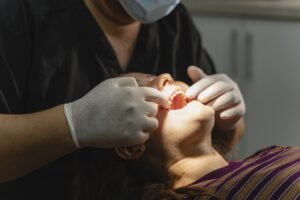
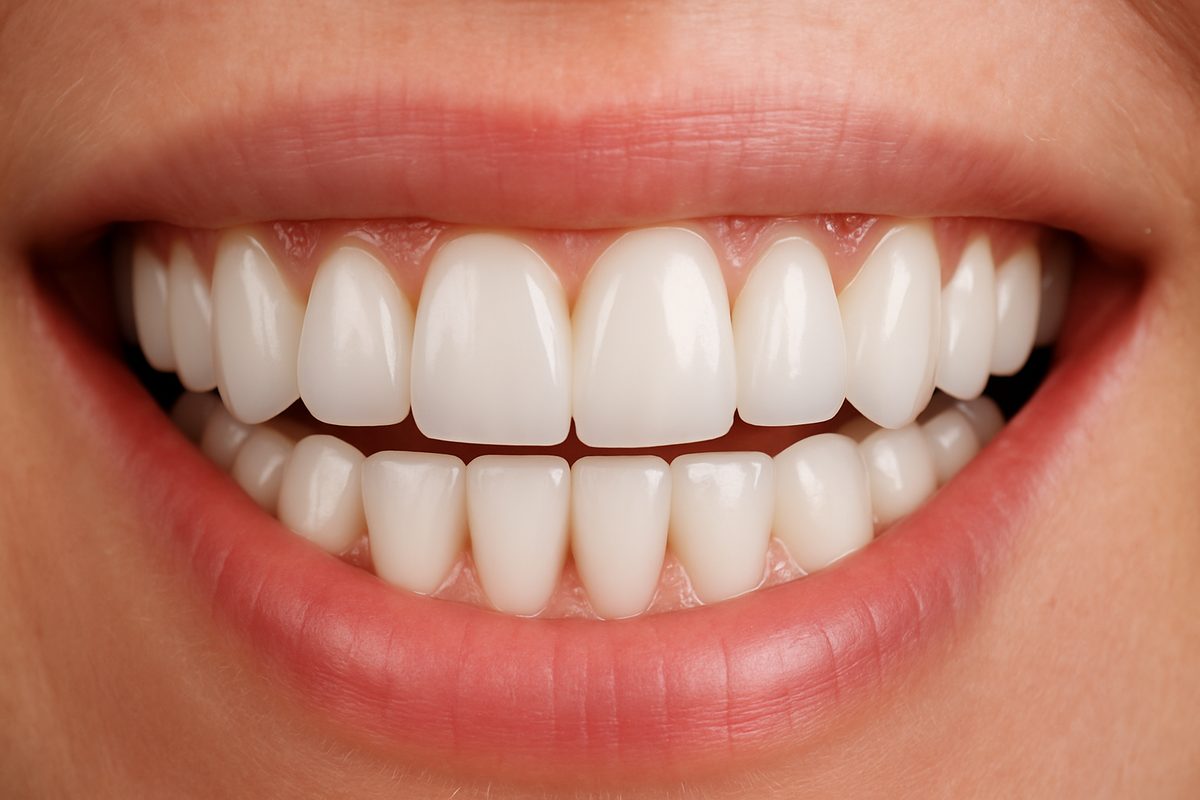
Natural looking teeth implants replace missing teeth with a stable post plus a custom restoration made to match color, shape, and function. This short guide covers what “natural looking teeth implants” are, the restoration types that look most lifelike, materials and technology used, how planning affects esthetics, who’s a good candidate, costs and care, how to pick a provider, and what to bring to your consult.
What are natural looking teeth implants?
Natural looking teeth implants combine a titanium or zirconia implant post placed in the jaw, an abutment that connects the post to the visible piece, and a custom crown, bridge, or denture. Together they replace a missing tooth’s root and crown so the result looks, feels, and functions like a real tooth. Color matching, translucency, and proper gum contour are key to a lifelike outcome.
Types of implant restorations that look most natural
Single implant with a crown
A single implant with a custom ceramic crown is often the most natural solution for one missing tooth. The crown is shaped and shaded to match neighboring teeth, and proper placement preserves gum contours for a seamless look.
Implant-supported bridge
When several teeth in a row are missing, an implant-supported bridge fills the space without relying on adjacent teeth. This keeps chewing natural and maintains facial support for a more youthful appearance.
All-on-X/full-arch fixed restorations
Full-arch, fixed restorations (All-on-X) use multiple implants to support one prosthesis. When made from layered ceramics or high-quality zirconia and designed with proper gingival contours, full-arch options can look very natural.
Implant overdentures
Removable overdentures that snap onto implants offer more stability and a more lifelike look than traditional dentures. They let technicians control tooth position and appearance while improving function.
Materials and tech that create a natural look
Materials like zirconia and layered ceramics mimic tooth translucency and resist staining. Custom staining and characterization add natural flaws and depth. Digital scanning, CAD/CAM design, precision milling, and 3D printing deliver exact shapes and fit—critical for natural looking teeth implants.
How treatment planning and technique affect esthetics
Good outcomes start with 3D diagnostics and guided implant placement to position the post for ideal gum shape. Bone and soft-tissue grafts, provisional restorations to form the gingival contour, and hands-on finishing all shape the final look. Small adjustments at delivery make a big visual difference.
Who is a good candidate for natural looking teeth implants?
Good candidates have healthy gums, enough bone or are willing to have grafting, no active infections, and realistic expectations. Medical conditions that affect healing should be reviewed with your provider. Bone or soft-tissue grafts are common steps to improve esthetic results.
Costs, timeline, and long-term care
Costs vary by the restoration type, need for grafts, and lab work. Typical timeline: planning and scans → implant surgery → healing (3–6 months) → final restoration. Maintain results with daily hygiene, routine checkups, and occasional polishing or adjustments.
How to choose a provider for natural looking teeth implants
Look for clinicians with cosmetic implant experience, digital workflows, an in-house or trusted lab for custom shading, and before/after photos of similar cases. Ask about materials, guided placement (robotic or surgical guides), and warranties on restorations.
About MoArk Dental & Implants for natural looking teeth implants
MoArk Dental & Implants blends a multidisciplinary team with an in-house lab and fully digital workflow to deliver natural looking teeth implants. The practice uses Medit scanning, CAD/CAM design, Zirkonzahn and DWX milling, SprintRay 3D printing, and Yomi® robotic-guided placement. MoArk serves patients near Thayer, MO and Walnut Ridge, AR, offers All-on-X options, and has flexible financing to help make treatment predictable and accessible.
Next steps — what to bring and questions to ask at your consult
Bring recent x-rays and a list of medical history. Ask which materials will be used, to see similar cases, about the timeline and healing, whether guided placement will be used, and what financing is available. To schedule a consult, call or book online and bring your questions—your provider can explain the best path to natural looking teeth implants.