Replacing a single missing tooth is more than a cosmetic choice — it affects chewing, speech, and the bone that supports your teeth. Understanding single tooth replacement options helps you pick the right balance of function, look, cost, and long-term oral health. Below you’ll find clear pros and cons, who makes a good candidate for each choice, typical timelines, and practical next steps so you can discuss the best option with your dentist.
Common Single Tooth Replacement Options
– Dental implant with crown: A titanium implant placed into the jaw, healed to the bone, then capped with a custom crown. Long-lasting and natural-looking. – Fixed dental bridge: A false tooth (pontic) anchored to crowns on the teeth beside the gap. Quick and esthetic, but requires reshaping healthy teeth. – Resin-bonded (Maryland) bridge: A conservative bridge with a false tooth bonded to metal or ceramic wings attached to adjacent teeth. Less invasive but less durable. – Removable partial denture (flipper): A removable, temporary plate that fills the gap. Fast and low-cost, best as a short-term solution.
Dental Implant with Crown
What it involves
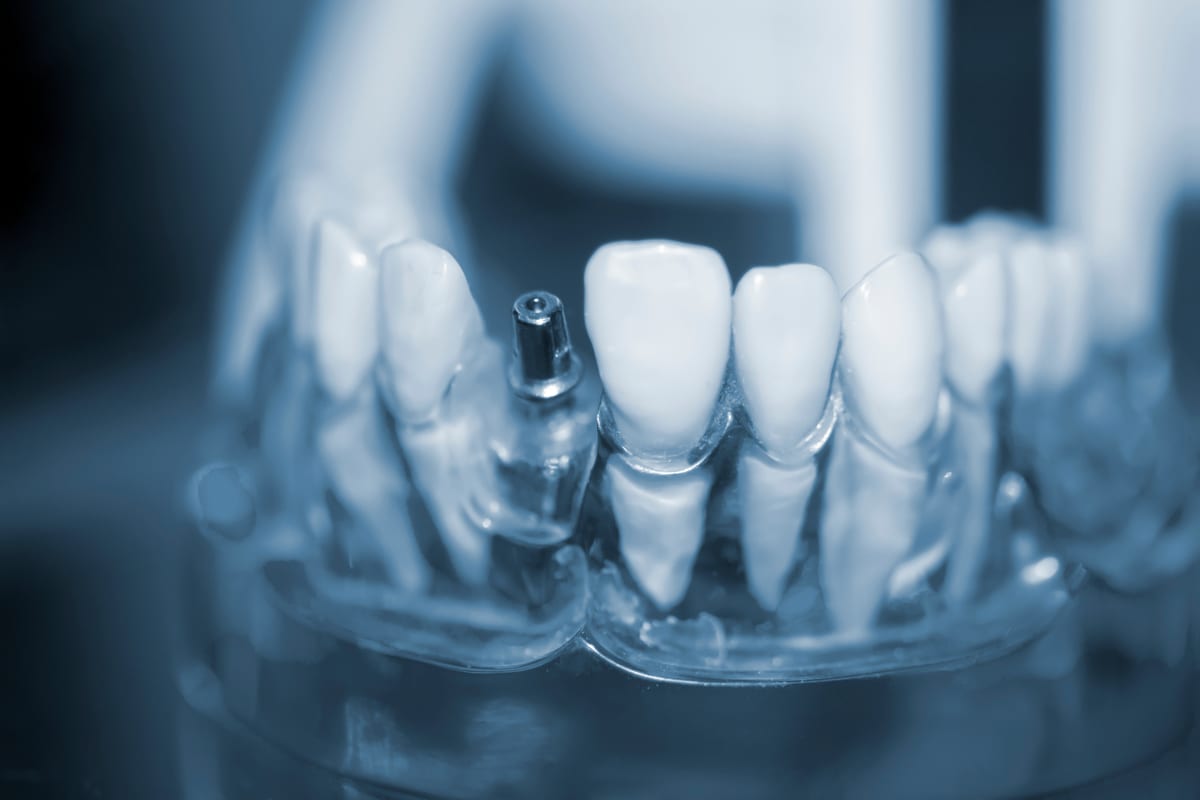
An implant is surgically placed into the jawbone, allowed to heal and integrate (usually a few months), then an abutment and custom crown are attached for a finished tooth.
Pros
Offers long-term stability, preserves bone by stimulating the jaw, and looks and functions like a natural tooth.
Cons and candidacy
Requires adequate bone and good overall health, takes longer and costs more up front. Ideal for non-smokers with healthy gums; bone grafting can make implants possible for many who lack bone.
Fixed Dental Bridge
What it involves
The teeth next to the gap are prepared for crowns that support a false tooth between them. The bridge is cemented in place.
Pros
Faster completion than implants, predictable esthetics, and no surgical step.
Cons and candidacy
Healthy adjacent teeth must be altered, and bridges can fail over time due to decay under crowns or loss of support. Good when neighboring teeth already need crowns or when surgery isn’t desired.
Resin-Bonded (Maryland) Bridge
A lightweight false tooth bonded to adjacent teeth with metal or ceramic wings. It’s conservative and preserves tooth structure, but it’s less durable and not ideal for heavy bite forces or back teeth.
Removable Partial Denture (Flipper)
A removable appliance that replaces the tooth. Low cost and quick to make, but less comfortable, less stable, and usually used as a temporary or emergency option.
Factors to Help You Choose
Consider bone and gum health, how important appearance is, your budget and timeline, and habits like smoking or teeth grinding. Age and long-term maintenance (cleaning, possible future repairs) also matter.
Questions to ask your dentist
– How long will this option last for me? – If my bone is low, what are the alternatives? – What is the full timeline from start to finish? – Can I see cost breakdowns and financing options? – What routine care will this require?
Costs and Timelines: What to Expect
Costs vary with complexity, materials, and extra procedures (bone grafts, extractions). Implants typically take months but last longest; bridges are faster and often less expensive up front; flippers are cheapest and quickest but temporary.
Why Consider MoArk Dental & Implants for Single Tooth Replacement Options?
MoArk provides same-location, multidisciplinary care with an on-site lab to speed treatment and reduce visits. That means planning, surgery, and restorations happen together for smoother results.
Technology and care that matter
MoArk uses 3D scanning, digital design, in-house milling and printing, and robotic-guided implant placement to improve accuracy, fit, and esthetics.
Financing and patient support
Flexible financing options and one-location continuity make treatment more accessible and easier to manage.
Schedule a consult with 3D diagnostics, bring recent dental records, and expect a tailored plan comparing single tooth replacement options for your mouth.