
If you’re wondering “are dental implants dangerous?” the short answer is no for most people. Dental implants are a well-established way to replace missing teeth. This post separates common fears from real risks and practical facts so you can decide with clear information.
How dental implants work
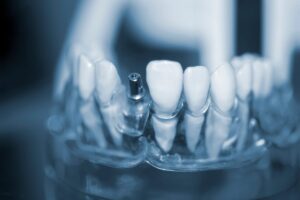
A dental implant replaces a tooth in three parts: a titanium post placed in the jaw (the implant), a connector called an abutment, and a crown that looks like a tooth. After placement the bone grows tightly around the implant in a process called osseointegration. That bond is what makes implants stable and long-lasting.
Common concerns: are dental implants dangerous in Thayer, MO?
Short-term risks
After surgery some pain, swelling, minor bleeding, and bruising are normal. Infection at the surgical site is possible but uncommon with good care. Rarely, nearby nerves can be irritated, causing temporary numbness or tingling.
Long-term risks
Long-term problems can include implant failure (when the implant does not integrate), peri-implantitis (gum disease around the implant), loosening or fracture of the crown or implant, and cosmetic issues if gums recede. Many of these problems are linked to oral hygiene, health conditions, or not following follow-up care.
How likely are complications?
Modern implants have high success rates — typically around 90–98% over five to ten years depending on case type. Most implants succeed when the patient’s health and bone are adequate. Factors that increase risk include smoking, uncontrolled diabetes, poor oral hygiene, low jawbone volume, prior radiation to the head/neck, and heavy teeth grinding (bruxism).
How modern planning and technique lower risk
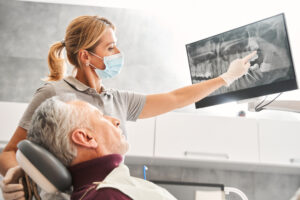
Careful exams and digital 3D imaging help map anatomy and avoid nerves and sinuses. Guided placement and surgical guides reduce human error. Sterile technique, precise surgical tools, and planned restorative design all lower complications. Regular follow-up care and cleaning are essential to catch problems early.
Who is a good candidate — and who should consider alternatives?
Good candidates have healthy gums, enough jawbone (or can receive bone grafts), controlled medical conditions, and a commitment to oral hygiene. People who smoke heavily, have uncontrolled health issues, or lack bone and who cannot have grafting may be better served with a dental bridge, partial denture, or full denture. These alternatives are less invasive and can be safer for high-risk patients.
MoArk Dental & Implants’ safety approach
MoArk Dental & Implants pairs experienced clinicians with advanced tools to reduce risk and improve outcomes. The team uses robotic-guided placement (Yomi®), 3D diagnostics, a fully digital workflow, and an on-site lab to control quality from planning through final restoration. Treating most phases in-house reduces delays and coordination errors.
What to expect at MoArk?
– Thorough consultation and 3D treatment planning – Robotic-guided or guided implant placement for precision – Restorations made and adjusted in the on-site lab – Same-location care from surgery through the final crown – Flexible financing (CareCredit and other options)
Are dental implants dangerous in Thayer, MO?
Dental implants are generally safe when planned and placed correctly. Risks exist but are usually manageable with good planning, modern techniques, and proper follow-up. If you’re worried about safety, schedule a personalized consult to review your health, risks, and alternatives so you can choose the option that fits your needs.