If you want a clear answer to “define dental implant,” this post explains it in plain language for patients. Read on for a simple definition, the parts of an implant, who makes a good candidate, what to expect during treatment, benefits and risks, and basic cost and financing info. This should take about 3–4 minutes to read and leave you able to talk confidently with your dentist about implants.
How to define dental implant
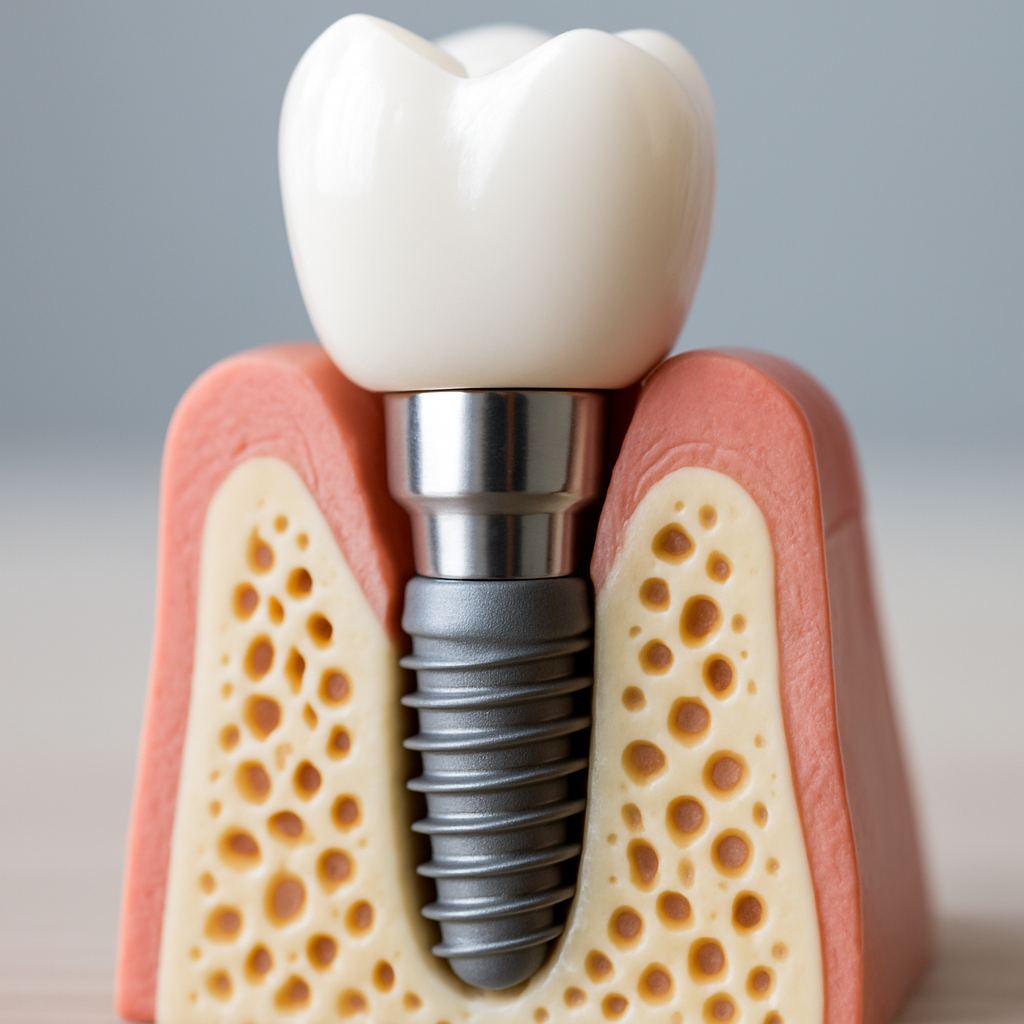
A dental implant is an artificial tooth root placed into the jawbone to hold a replacement tooth or bridge. Unlike a removable denture, an implant is fixed in your mouth and works like a natural tooth root. Compared with a bridge, an implant replaces a single tooth without altering adjacent teeth. Implants restore chewing, speech, and appearance while helping preserve jawbone.
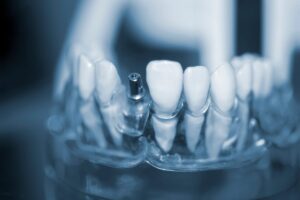
The three main parts of an implant
The implant post (fixture)
The post is a small screw, usually made of titanium or zirconia, placed into the jawbone. It acts like a new tooth root and provides stability. Over time the bone grows around the post to lock it in place.
The abutment
The abutment is a connector that attaches to the top of the implant post and holds the visible restoration. It can be metal or ceramic and is shaped to support a crown or bridge.
The crown or prosthesis
The crown is the visible tooth attached to the abutment. Restorations range from implant-supported bridges and full-arch prostheses (All-on-X) that replace many teeth or an entire jaw.
Who is a good candidate?
Good candidates are adults with healthy gums and enough jawbone to support an implant. Candidates should be committed to oral hygiene and regular dental visits. Factors that can hurt success include heavy smoking, uncontrolled diabetes, recent cancer treatment, and severe bone loss. In some cases, bone grafting, sinus lifts, or alternative treatments like bridges or dentures may be recommended.
Step-by-step: what to expect during treatment
Consultation and 3D diagnostics
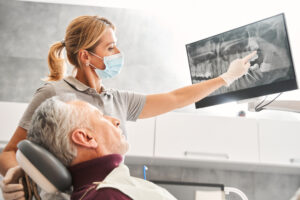
Expect an exam, X-rays, and a 3D scan to map bone and nerve locations. The dentist uses this to plan implant size and position for safe placement.
Surgery and placement
Implant placement is usually done with local anesthesia. Guided or robotic systems may improve precision. The procedure often takes under an hour for a single implant; multiple implants take longer.
Healing and osseointegration
Healing takes several months while bone bonds to the implant (osseointegration). Temporary teeth can be used for appearance and function during this period. Follow-up visits check healing progress.
Final restoration
Once healed, the custom crown, bridge, or denture is attached to the abutment. Your dentist will check fit, bite, and appearance and make small adjustments if needed.
Benefits and possible risks
Key benefits
Implants offer long-term durability, improved chewing, natural appearance, and help prevent bone loss. They protect nearby teeth and can improve confidence and oral health.
Risks and ways to reduce them
Risks include infection, implant failure, and nerve or sinus issues. These are reduced with careful planning, good medical control of conditions like diabetes, quitting smoking, skilled surgical technique, and proper aftercare.
Cost, insurance, and financing options
Costs vary by single tooth versus full-arch, need for bone grafts, and lab work. Insurance may cover part of the restoration but often not the implant post. Many practices offer financing plans and third-party lenders to spread payments.
Why choose MoArk Dental & Implants for dental implants
MoArk Dental & Implants combines an in-house, multidisciplinary team with advanced 3D diagnostics, digital lab work, and Yomi robotic guidance to improve precision and esthetics. Having most care in one location speeds treatment and reduces errors while offering flexible financing options.
How to get started
To begin, schedule a consultation and bring any recent dental records or medical history. Expect a 3D scan and treatment plan at your first visit. Call the office to book an evaluation and learn which implant options fit your needs.