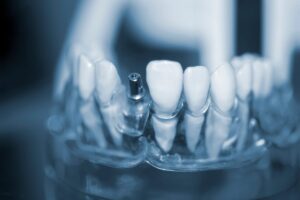

Many patients ask about “popular dental implants” when they need tooth replacement. Popular dental implants are titanium or ceramic posts placed into the jaw to replace missing roots, then topped with crowns, bridges, or full-arch restorations. People choose implants because they feel and function like natural teeth, last longer than dentures, and help keep the jawbone healthy. This short, practical guide explains why implants are a leading choice, the main options, who’s a good candidate, treatment steps, costs and care, and how to get started.
Why Popular Dental Implants Are a Top Choice
Popular dental implants are valued for durability and a natural look. They restore chewing and speech more reliably than removable dentures. Because implants replace the root, they stimulate the jawbone and help preserve facial structure, reducing the sunken appearance that can occur after tooth loss. With proper care, implants often last decades, making them a long-term investment in oral health and quality of life.
Popular Dental Implant Options
Single-tooth implants
Single-tooth implants replace one missing tooth with a post, abutment, and crown. This restores the tooth’s root and crown, giving a stable, natural result without altering neighboring teeth the way a bridge might.
Implant-supported bridges
When several adjacent teeth are missing, an implant-supported bridge uses two or more implants to hold a bridge in place. This avoids removable partial dentures and spreads biting forces across implants for better function and comfort.
All-on-X / full-arch solutions
All-on-X uses fewer implants (often 4–6) to support an entire upper or lower arch. It gives fixed teeth for patients missing most or all teeth in an arch, offering faster restoration, stable chewing, and easier hygiene compared with traditional dentures.
Who Makes a Good Candidate for Popular Dental Implants?
Good candidates have healthy gums and enough bone to hold an implant or can receive bone grafting. Chronic medical conditions like uncontrolled diabetes or treatments that affect bone healing may require extra planning. Older age alone is not a barrier. Smoking and poor oral hygiene lower success rates, so patients should be willing to follow care instructions and quit smoking if possible.
What to Expect: Treatment Steps and Timeline
Treatment starts with a consult and 3D planning to map bone and nerves. The implant surgery places the post; then osseointegration (bone bonding) usually takes 2–6 months. After healing, an abutment and final restoration are attached. Timelines vary by bone quality, need for grafts, and whether immediate loading (temporary teeth same day) is possible.
Cost, Longevity, and Maintenance
Main cost drivers are the number of implants, need for bone grafts or extractions, implant materials, and lab work. High-quality implants and restorations cost more up front but tend to last longer. With good daily care—brushing, flossing, and regular dental visits—implants can last 15–30+ years. Professional cleanings and prompt care for any gum issues are essential.
How Provider Experience and Technology Improve Outcomes
Experienced clinicians and digital tools reduce complications. Guided surgery, 3D planning, and in-house labs improve accuracy, fit, and esthetics. These technologies help place implants in the ideal position and speed up turnaround for final restorations.
About MoArk Dental & Implants
MoArk Dental & Implants combines a multidisciplinary team and same-location care to handle consultations, 3D diagnostics, surgery, and custom restorations under one roof. The practice uses digital workflows, an on-site lab, and Yomi® robotic guidance to improve precision and predictability. Flexible financing options help make popular dental implant solutions more accessible.
How to Get Started
Schedule a consult to review options, get 3D diagnostics, and receive a personalized plan for popular dental implant solutions. A short exam and imaging will show what approach fits your needs and timeline.